October 13, 2026
Maintaining a healthy, attractive lawn requires more than routine mowing and watering. Grass depends on balanced nutrition, healthy soil, proper timing, and consistent care to develop strong roots and maintain its color throughout the growing season. Hiring a professional fertilization service can help homeowners address these needs without relying on guesswork. Professionals evaluate lawn conditions, identify potential deficiencies, and select treatments based on grass type, soil characteristics, and seasonal demands. Proper lawn fertilization can encourage steady growth while helping turf withstand weeds, pests, drought, and other environmental stresses.
Understanding the Role of Lawn Nutrients
Grass requires several essential nutrients to support healthy development. Nitrogen encourages vigorous growth and green color, phosphorus contributes to root development, and potassium supports overall plant strength and stress tolerance. Secondary nutrients and micronutrients may also be necessary depending on existing soil conditions. Beginning lawn fertilization without understanding these requirements can result in uneven growth, wasted material, or nutrient imbalances. Professional services evaluate the lawn before determining which products and application rates are appropriate.
Balanced nutrition can also help grass develop greater density. Thick turf provides less open space for weeds to establish and creates a more uniform appearance across the property. However, additional nutrients cannot correct every lawn problem. Compacted soil, poor drainage, excessive shade, improper mowing, and inadequate watering may also affect growth. Professionals consider these factors when developing a treatment strategy rather than assuming fertilization alone will resolve every concern.
Testing Soil Before Developing a Treatment Plan
Soil conditions strongly influence how effectively grass can absorb nutrients. Testing can reveal the soil's pH and identify deficiencies that may be limiting healthy growth. If the pH is outside the preferred range for a particular grass species, nutrients may become less available even when they are present in the soil. Testing helps professionals determine whether amendments or changes to the fertilization program are appropriate.
A soil-based approach can also reduce unnecessary applications. Rather than applying the same treatment to every property, professionals can use available information to determine what a particular lawn actually requires. This customized approach supports efficient nutrient use and can reduce the possibility of excessive applications. Homeowners may also gain a clearer understanding of why certain areas of their lawn perform differently from others.
Selecting the Appropriate Fertilizer Products
Fertilizer products vary considerably in their ingredients, nutrient concentrations, and release rates. Synthetic products can make nutrients available relatively quickly, while organic materials generally release nutrients as they break down. Slow-release products provide another option by delivering nutrition gradually over an extended period. The most appropriate products for lawn fertilization depend on the grass species, season, soil conditions, and objectives of the treatment program.
Professional services understand how different formulations behave under varying conditions. They can select products that complement the lawn's growth cycle instead of simply applying the same material throughout the year. This attention to product selection can support more consistent results and reduce unnecessary nutrient loss. Professionals can also explain why a particular formulation is being used and what homeowners should expect following treatment.
Scheduling Treatments at the Proper Times
Timing plays an important role in successful fertilization. Grass should receive nutrients when it can use them efficiently, which varies according to species and regional climate. Cool-season and warm-season grasses have different periods of active growth, making a universal fertilization schedule impractical. Weather conditions, rainfall, temperature, and soil moisture can further influence when applications should occur.
Professional services develop schedules around these variables rather than relying solely on calendar dates. Depending on lawn conditions, several applications may be recommended throughout the growing season. Proper scheduling gives grass access to nutrients during important developmental periods while reducing unnecessary applications during dormancy or stressful weather. Treatment plans can also be adjusted when unusual seasonal conditions affect normal growth patterns.
Creating a Customized Fertilization Program
No two lawns have exactly the same requirements. Differences in sunlight, soil composition, grass varieties, irrigation, foot traffic, and previous maintenance can influence how turf responds to treatment. Professional lawn care providers assess these variables before establishing a program. A customized approach allows lawn fertilization treatments to be adjusted according to actual property conditions rather than following a generic routine.
Professionals may also divide a property into areas when conditions vary significantly. A sunny front lawn, for example, may have different moisture and nutrient requirements from a heavily shaded backyard. Identifying these variations can help prevent over-treating healthy areas while giving struggling sections more appropriate attention. Plans can then be modified over time as the condition of the turf changes.
Managing Weeds Alongside Fertilization
Weeds compete with grass for water, sunlight, nutrients, and growing space. Maintaining dense, healthy turf is therefore an important part of long-term weed management. Fertilization can support vigorous grass growth, but existing weeds may require separate control measures. Professionals inspect lawns to identify common weeds and determine whether preventive or targeted treatments are appropriate.
Pre-emergent treatments may be used to reduce the germination of certain weeds, while post-emergent applications target weeds that are already growing. The appropriate strategy depends on the weed species and season. Combining responsible weed management with proper nutrition can gradually improve turf density and appearance. Regular inspections also allow emerging problems to be addressed before unwanted growth becomes widespread.
Recognizing Pest and Disease Problems
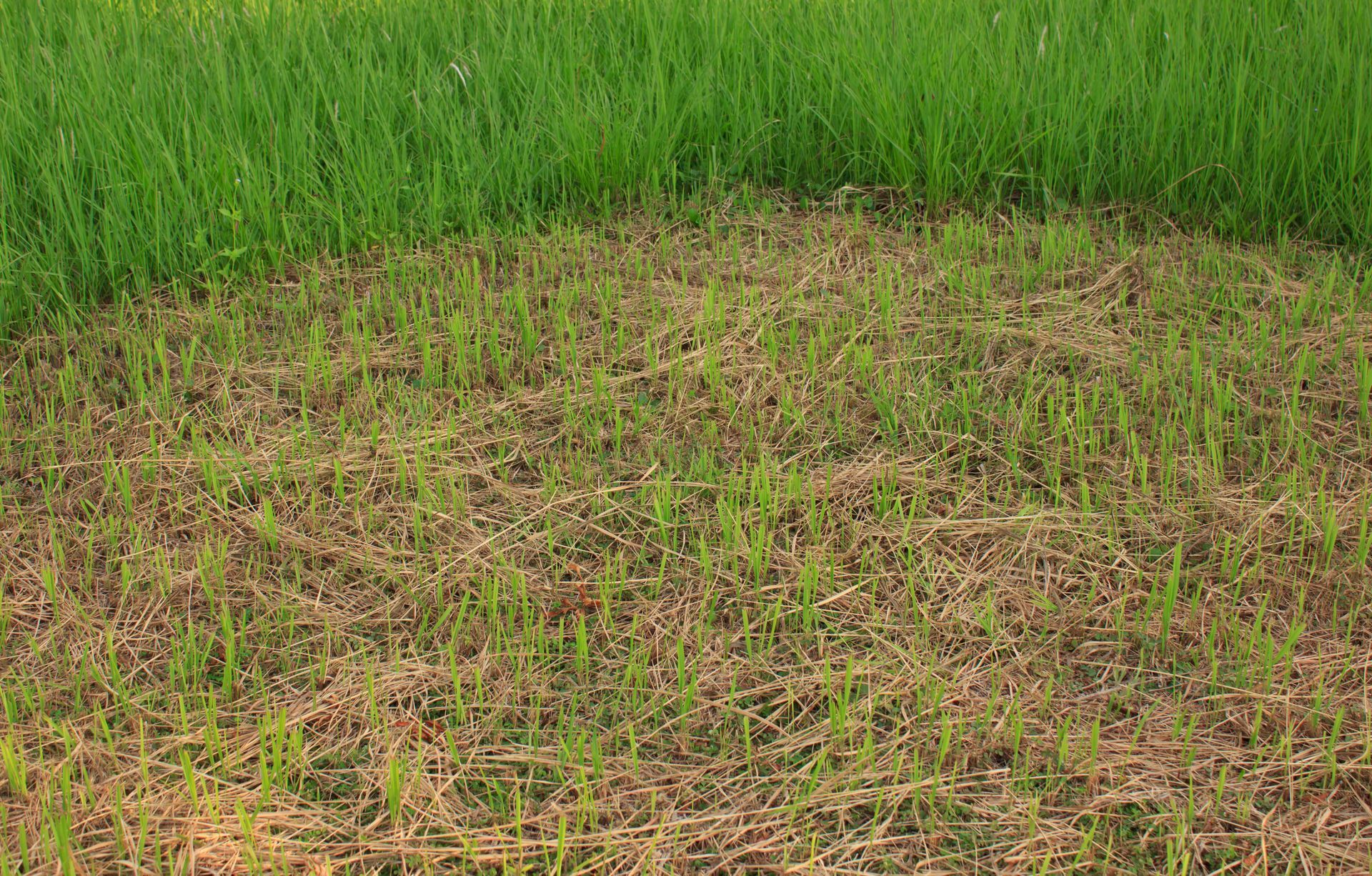
Not every brown or thinning area is caused by insufficient nutrition. Grubs, chinch bugs, sod webworms, fungal diseases, and other problems can create symptoms that resemble nutrient deficiencies. Increasing lawn fertilization when pests or diseases are responsible may fail to correct the underlying issue and could potentially create additional stress.
Experienced professionals can examine damaged areas and look for signs that distinguish nutrient problems from insects, diseases, irrigation issues, or environmental stress. When pests are present, integrated management practices may be recommended to reduce damage while supporting turf recovery. Early identification is particularly valuable because localized problems are often easier to manage before they spread across larger sections of the lawn.
Using Professional Equipment for Even Applications
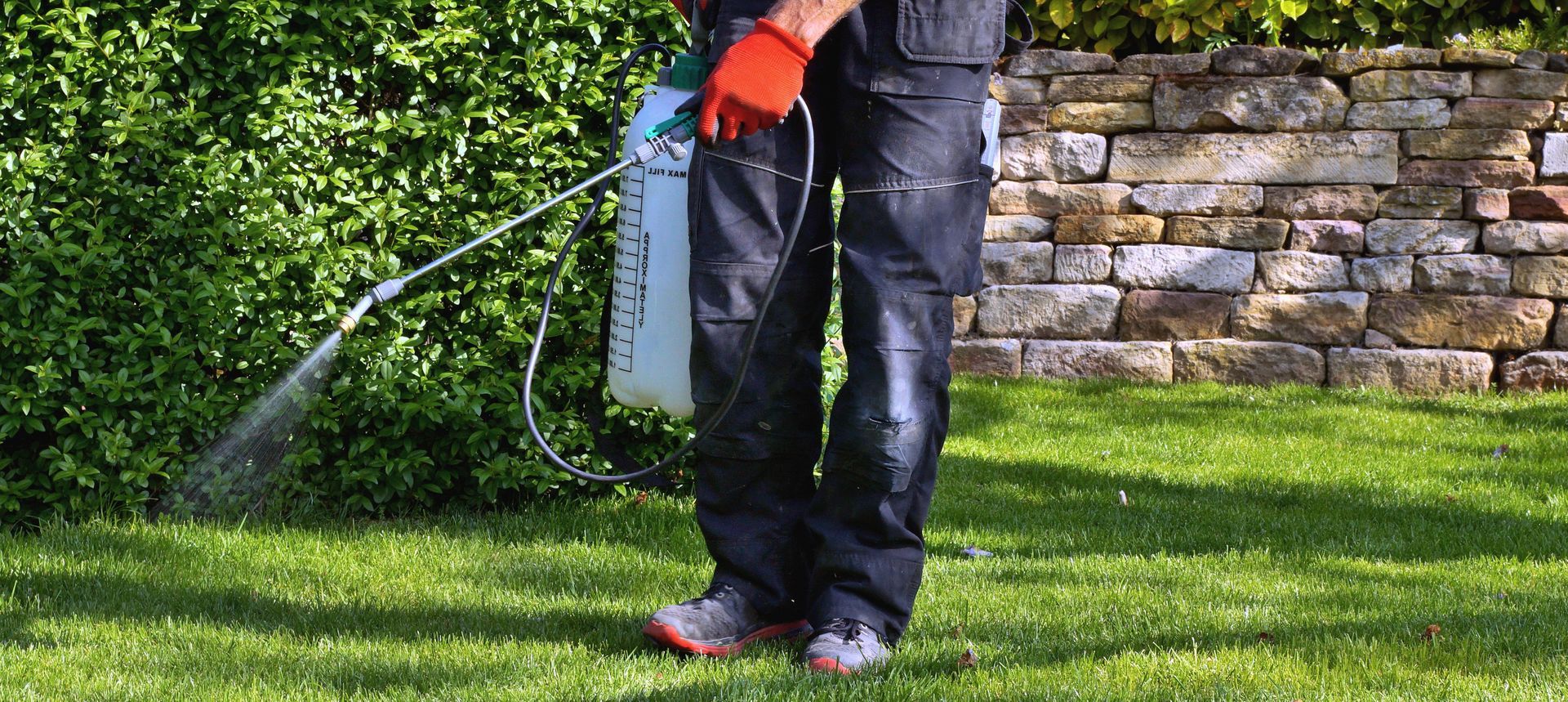
Consistent coverage is essential when applying fertilizer. Uneven distribution can produce noticeable differences in color and growth, while excessive material in concentrated areas may damage grass. Professional services use calibrated spreaders and other specialized equipment to distribute products according to established application rates. Proper calibration helps ensure that the intended amount reaches the designated treatment area.
Professional equipment can also improve efficiency on large or irregular properties. Technicians are trained to navigate around landscaping, sidewalks, driveways, gardens, and other areas where treatments may not belong. Careful application reduces waste and helps keep products where they are intended to be used. This level of precision can be difficult to achieve when homeowners rely on unfamiliar equipment or estimate application rates.
Reducing the Risks of Over-Fertilization
More fertilizer does not necessarily produce a healthier lawn. Excessive nutrients can contribute to rapid, weak growth, fertilizer burn, increased mowing requirements, and greater susceptibility to certain lawn problems. Nutrients that are not absorbed by grass may also move away from the intended treatment area through runoff. Correct application rates are therefore an important part of responsible lawn care.
Professionals determine appropriate lawn fertilization rates based on property size, product formulation, grass requirements, and existing conditions. They also account for weather before completing treatments. Heavy rainfall immediately after some applications may reduce effectiveness, while extreme heat or drought can make certain treatments inappropriate. Adjusting the schedule to current conditions helps protect the turf and improves nutrient use.
Healthy soil is also an important part of sustainable lawn management. Aeration, appropriate irrigation, proper mowing heights, and the return of grass clippings when suitable can complement lawn fertilization. These practices encourage stronger roots and more efficient use of available nutrients. Looking at the lawn as an interconnected system can produce more durable improvements than focusing on individual treatments alone. Contact our team at Turf-Techs Lawn Service LLC today and learn more about our lawn services.